Latest
The video gaming community has always been an extremely social one. Despite the stereotype that was propagated in the media of the early 2000s. But
Smart technology is all the rage at the moment. Nearly every bit of modern technology
Going to festivals, whether alone or with friends or family, is always an exciting adventure




Governance/Political



Tech & Innovation


Nuclear News



How Reddit And Discord Become Gamer Heavens
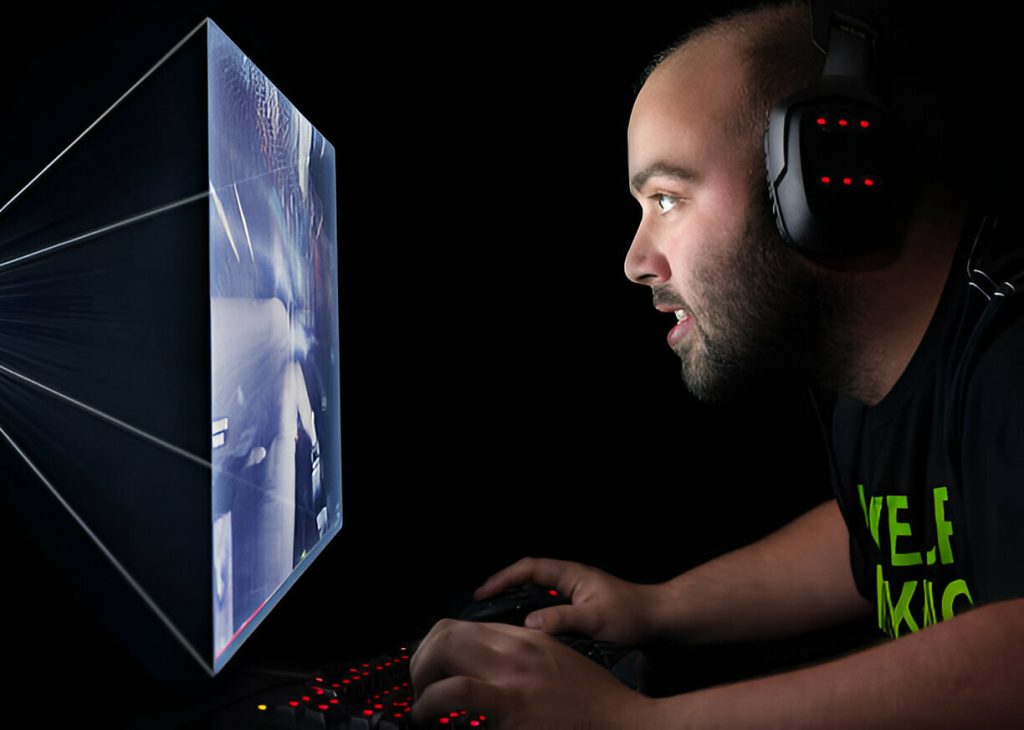
The video gaming community has always been an extremely social one. Despite the stereotype that was propagated in the media of the early 2000s. But that stereotype is far from the truth. Gaming, throughout all of human history, has been a social device as much as being for entertainment. It has been a way to bring people together.
As video games developed and the hobby grew we saw many secondary gaming websites and applications popping up. Let’s Play’s and Machinima paved the way for Twitch Streamers and gaming influencers to take to the stage. Sites like IGN set the tone for gaming blogs. And Skype very quickly became a hub for pc gamers to congregate together.
But over the years there are two platforms that have risen above the rest. Both have become staples of the gaming community in vastly different ways. We are, of course, talking about Reddit and Discord. But how did these two goliaths of the gaming world get to where they are? And why do gamers gravitate towards them both?
The Rise Of Discord
Discord was launched back in 2015. Prior to that most gamers would make use of Skype or other IRCs to keep in touch with their fellow gamers. It could be said that there was no singular gaming specific communication platform dominating the market. And Discord, when it launched, wasn’t actually intending to become what it is today.
But it didn’t take long for Discord to become the go-to choice for gamers. And for numerous reasons. Discord operates what is called a ‘Freemium’ business model. Meaning that anyone can make use of Discord for free. But they have the option to pay for extra services. Now Discord wasn’t the only platform using this model. But they stood apart in that the free features offered were numerous and of a good quality.
Discord had arguably better audio quality than most of its competitors, including Skype. It allowed users to create their own servers and to then populate those servers with different rooms. And it offered video and image uploading services. It wasn’t long before Discord became the gaming standard.
And Discord leapt onto this and went with it. Fast forward to today and Discord is now fully integrated into nearly every major console and is compatible with numerous PC games. Alongside that Twitch partners and affiliates can integrate their Twitch stream into their Discord servers.
The Rise Of Reddit
Reddit was launched back in 2005. And you might be surprised to learn that it took a while for it to gain any notoriety. It wasn’t until 2010 that Reddit started to surpass its competitors. And from that point onwards it became known as the front page of the internet.
Reddit is unique amongst social media platforms for its open forum nature. People can make a subreddit for anything they want. Users can engage with whatever aspects of the platform they desire. Reddit is now filled to the brim with gaming related subreddits. Nearly every game has its own dedicated subreddit. And some even have multiple subreddits. Some dedicated towards memes for a specific title. Others surrounding specific multiplayer elements.
The biggest draw to Reddit for gamers is, undoubtedly, the open forum nature of the site. There are no inherent biases perpetuated by Reddit. All the subreddits are completely community driven. And this has led to the rise of numerous gaming personalities like TheOddOne and xQc. To this day many gamers still use Reddit to try to build a name for themselves.
One of the biggest upsides to making a name for yourself on Reddit is the fact that there are no inbuilt pay-to-win features. Companies like Redaccs allow users to buy accounts with an established karma rating to help them get a head start. But users can’t pay for verification like on X or other social media platforms. Users have to rely on their gaming knowledge, skill, and their personality to stand out from the crowd.
The Two World Combined
The true testament to how popular both of these platforms are to the gaming community is how well the two have combined. Nearly every major gaming subreddit also has an active Discord server associated with it. Allowing members to connect with like-minded gamers, find new gaming partners, and share their gaming experiences.
The Step-By-Step Guide To Creating A Smart Home
Smart technology is all the rage at the moment. Nearly every bit of modern technology is being upgraded to include smart integration systems. Meaning they can communicate with each other and, most importantly, your smartphone. Smart technology is undoubtedly changing our lives for the better. Making our day to day lives more streamlined and efficient.
Some people are taking this to the next logical extreme though. Enter: Smart Homes. You may have heard this term flying around. More and more California residents are upgrading their homes to smart homes every year. But what does it actually mean? And how can you turn your home into a smart home?
What Are Smart Homes
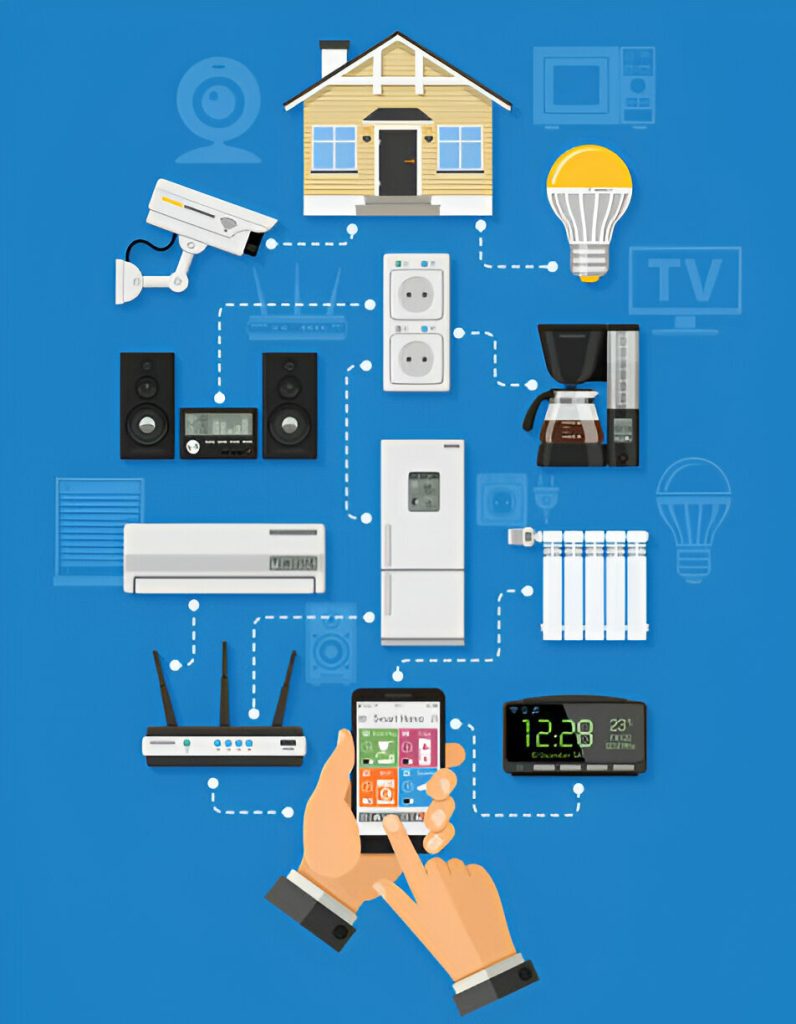
Smart home is a term for a house that has a lot of integrated smart technology. This often means that nearly every electronic process within the home can be controlled through a smartphone. The idea is that the house is one giant network of interconnected technologies. In theory, in a smart home, you should be able to change the temperature of your fridge from your TV.
There are numerous advantages to having a smart home. It will make your day-to-day life easier. You can automate tasks to happen on a schedule. Imagine waking up and your shower is already on and waiting for you. And then you come downstairs to find your coffee has already been brewed.
Smart homes have also changed the California real estate market. Generally, smart homes go for a lot more on the market. Especially in scenic areas like Long Beach or Santa Monica. In fact, it is far easier to sell your home in Long Beach for cash if it is a smart home. So how can you properly upgrade your home?
Smart Kitchen
One of the easiest and best places to start your smart upgrade plan is in the kitchen. So many of the classic kitchen appliances now feature smart technology. Modern smart fridges can track what food you have and can send you reminders, or even order more for you. Smart coffee machines can brew up a fresh pot for you on schedule and can moderate the temperature to your exact specifications.
Smart technology can also improve the safety of your kitchen with smart fire detectors. These detectors are better able to tell when there is actually a fire, as opposed to someone just burning food. They can also send alerts to your phone and, in extreme cases, call the fire department for you.
Smart Security
The security of your home is not something to be taken lightly. And smart technology is helping improve home security massively.
One of the first bits of kit you will want to add to your home is a smart doorbell. These devices are fitted with a microphone and camera that connects to your wi-fi network. Motion sensors can detect any movement and will send an alert to your phone. You can then see through the camera and communicate with whoever is there. These devices can also record footage when the motion sensors are triggered.
Smart locks are also a huge step up from the traditional lock systems. They are linked to a card or your phone and cannot be picked like a traditional lock. This also allows you to open your door remotely for delivery drivers or friends.
Smart Meter
You will have undoubtedly seen smart meters advertised everywhere. They are an amazing way to better track your gas and electricity consumption. They provide in depth breakdowns on where your energy is going and can show you exactly how much it is costing you.
The good news is that most energy companies will provide you with a smart meter for free. They will even come and install it for you. A smart meter is beneficial to both parties as it allows the company to better allocate their resources to different areas depending on usage.
Smart Assistants
One of the most pivotal aspects of any smart home is the smart assistants. Devices like Alexa and Google Dot are the lynchpin in your smart home system. Allowing you to truly live in a home of the future.
These devices are fully voice controlled and can be linked up to your entire home network. Allowing you to control everything from your lights to your fridge with a simple vocal command. We recommend having a few of these units placed around your home as they also function as an intercom system.
All The Tech You Need For Your Next Festival!
Going to festivals, whether alone or with friends or family, is always an exciting adventure that comes once in a while. They involve great music and drama performances from daylight to nighttime and can last a few days. Hence, it’s an event that you must not only intend to be present but also prepare adequately in advance to make sure you carry along all the necessary stuff.
Most people forget to carry something else besides clothing, snacks, and some sleeping or camping gear. These small tech items are meant to make your stay easier, safer, and more enjoyable. By bringing the right tech, you can make your festival more fun and stay connected with your family back home.
From communication devices to LED flashlights, these pieces of tech will come in handy during the festival. Therefore, regardless of the type of festival you are going to, as long as it’s a day or more event, having the right gear can ensure you stay connected, comfortable, and safe.
Hence, we have gathered a few tech items you need for the next festival. Let’s look at the importance of each one.
Smartphone
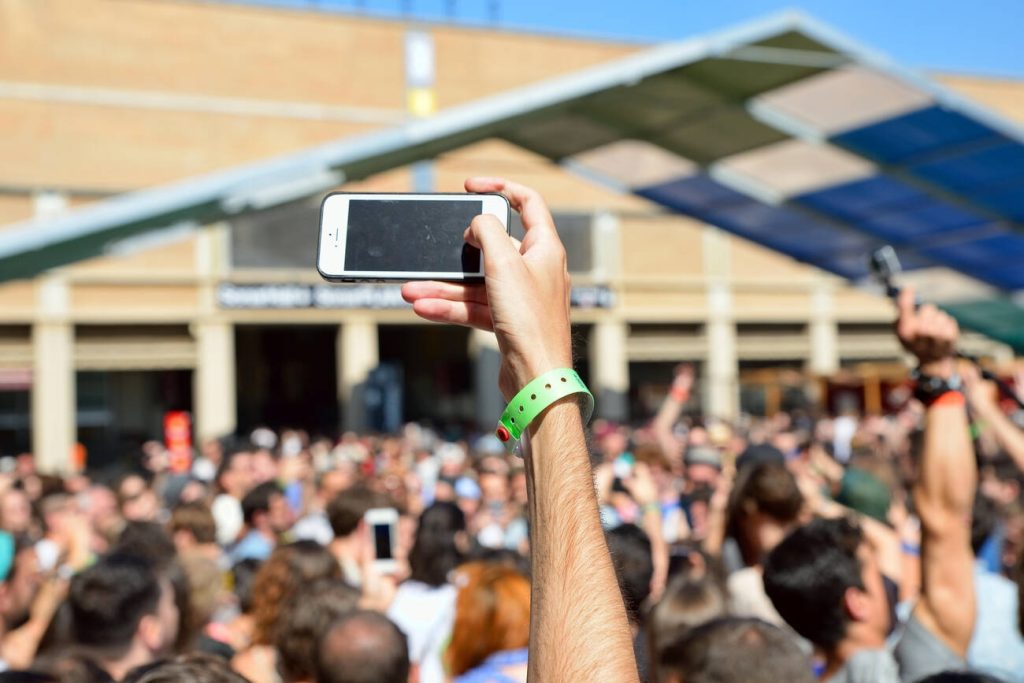
Staying in touch with everyone you are close to, whether family or friends, is important as long as you are away in a crowded environment. A smartphone will definitely be that piece of gadget that you can’t afford to leave behind. Thanks to technological advancements, a smartphone is more than a calling and texting device. It has the ability to serve other purposes, such as to help you easily navigate to and from the festival grounds and take memorable photos.
Modern smartphones come equipped with high-quality cameras that capture stunning photos and videos, ensuring you can preserve memories of your favorite performances and moments. Additionally, festivals now use apps to allow you access to event schedules and real-time updates.
Portable Power Bank
Given that most festivals are outdoor affairs, you will need a portable power source to keep your smartphones and other electronic devices active. Getting yourself a portable charger will keep you connected before you can recharge at your place of residence. Due to the long hours you will be carrying it in your pocket, you better choose a compact and lightweight design.
Additionally, ensure it has adequate or high capacity to charge multiple devices. A good one should be at least 10,000 mAh and with multiple ports, allowing you to charge several devices at the same time..
Wireless Earbuds
Festivals are usually packed with fans, and it may be difficult to keep your phone out of your pocket to make or receive calls. In the process, it may fall and get stepped on by revelers. Thats why we recommend getting yourself wireless earbuds. Why not use the wired one? That’s because the cables can be tedious and uncomfortable to keep together. However, with the best models in the market come with a comfortable fit, ensuring they can be worn for extended periods without discomfort. They also have a longer battery life and noise cancellation to make the calls audible amidst the loud noises.
Vaping Pen
If you love smoking THC and any other form of nicotine, you may need to consider the privacy and comfort of others in the festival due to proximity. If you want to know how to properly use THC oil, a vaping pen would be the most appropriate way due to its convenience, discretion, and efficiency. A vaping pen is also the best option as it allows you to take adequate amounts at a time, dosing and giving you better control over your intake levels to keep you sober.
Vaping pens offer a portable and user-friendly way to consume your stuff. It doesn’t make use of a lighter, which can cause fires, and it’s also safer for your lungs. Additionally, the vapor produced is much less odorous and clears quickly, making it more convenient to use in public.
Smartwatch
A smartwatch may seem like an ordinary gadget, but it’s a great way to stay connected hands-free and track your body’s health and activity levels. This device will convey notifications for messages and calls. Hence, you can stay informed without having to keep checking your phone.
Advanced smartwatches also have a fitness tracker to monitor your heart rate, breathing patterns, and general activity levels, helping you stay informed about your health conditions at all times. Some smartwatches are water-resistant, making them a good option during unpredictable weather, such as sudden rains and water-related activities.
Conclusion
Festivals are good times to spend with friends and relax after long months of hard work. To enjoy the event, you will need to arm yourself with gadgets that can help you navigate, stay comfortably and stay in touch with your loved ones.
6 Ways You Can Use LinkedIn to Improve Your Business
Are you looking for ways to take your business or brand presence to the next level? LinkedIn is an effective platform for small and large businesses alike. With its powerful tools, tailored targeting, and extensive reach, it’s no wonder why more and more companies are turning to this social media site as a way to improve their performance. This article covers 6 ways you can use LinkedIn to improve your business.
Combine LinkedIn and Email Extractor Tool For Lead Generation
Email extractor tools are a great way to generate leads quickly and effectively. These tools scour the web for emails associated with your target audience, allowing you to send out customized outreach campaigns in a fraction of the time. You can use email extractor tools alongside LinkedIn to help boost leads and grow your business. An email extractor tool can harvest emails from websites or pages related to your target audience or even search by keyword.
After this, you can create custom audiences and campaigns on LinkedIn that cater directly to these extracted lists of contacts. There are multiple email extractor tools available on the internet. For instance, a friend’s SEO business was looking for a recommendation for a comprehensive list of 13 LinkedIn email extractor tools online. The lists available included guides, pros and cons to enable the user to decide on the best pick.
Join like-minded Groups
Participating in groups related to your industry is a great way to engage with potential customers, build relationships, and generate new leads. You can join groups tailored to your target audience on LinkedIn to connect with like-minded individuals who may be interested in your services or products.
Additionally, you can post content related to your industry to spark conversations and grow relationships. You can also ask questions or answer questions posted by other members of the group in order to provide value and establish yourself as an expert in the field. Doing this will help you further engage with potential customers while positioning yourself as a thought leader.
Networking with others is an effective way to build relationships and increase your brand’s reach. You can leverage LinkedIn’s connection feature by sending personalized messages or invitations to key partners, influencers, and prospects.
Develop A Vibrant Company Page
Creating an engaging company page is a great way to ensure your business stands out. Utilize keyword-rich updates and stories to draw in potential customers while staying true to your brand’s values.
Use visuals, such as videos and images, to enhance posts and create a more interactive experience with followers. You can also include links to other websites or relevant content that your followers may find helpful or interesting. Additionally, you can provide exclusive offers and discounts through your company page so that potential customers have further incentives to follow you.
Create Useful Content
Creating content is a great way to establish yourself as an expert in your industry. Publish thought leadership pieces on LinkedIn that showcase your insights and expertise. Focus on topics related to your field to differentiate yourself from others.
Additionally, promote these posts and stories across other social media platforms, as well as through email campaigns, so that it reaches a larger audience. Lastly, include visuals such as images or videos for added engagement; this will help improve the quality of your posts and attract more readers.
Promotion Activities
Leveraging paid ads on LinkedIn is a great way to promote your business and reach new potential customers. Utilize the platform’s targeting feature to deliver your ads to an audience that matches the criteria relevant to your business goals.
Create custom campaigns for different audiences and optimize your campaign parameters based on results such as click-through rate, website visits, etc. Additionally, consider using video ads, which are more engaging than traditional text-based ads. Finally, remember to measure the results of each campaign and adjust your strategy accordingly over time.
Monitor Your Progress
Tracking progress is essential to effective marketing on LinkedIn. Utilize analytics tools to measure key performance indicators such as click-through rates, website visits, conversions, and more. Keeping tabs on these metrics will help you adjust your strategy over time to achieve the best results for your business. Additionally, consider leveraging A/B testing when trying out new strategies; this will provide invaluable insights into which tactics work best for your target audience.
Conclusion
Leveraging LinkedIn as a platform for marketing your business can be a great way to reach new potential customers. Utilize paid ads and tracking tools to ensure that each campaign is optimized for success and that progress is tracked properly. A/B testing and analytics are useful tools for any business looking to succeed on the platform. With the right strategy and dedication, you can create effective campaigns that will bring long-term success.
Examining All The Artists Making It Big Off Social Media
In the current age of digital content, social media has become a powerful tool for artists. It has given them a platform with a huge audience to showcase their creative work, connect with persons who love art, and build their presence. The impact of platforms like Instagram, Twitter, TikTok, and Facebook on the art industry cannot be ignored in the ever-changing world of art. Hence, as an artist, you can reap many benefits by using these platforms to not only share your creative work but gain popularity.
Therefore, by appreciating social media, you have the opportunity to connect with the masses and change the artistic landscape to grow your talent and business. Hence, this article will take you through the potential of social media by highlighting how various artists have made it to greater heights thanks to digital platforms.
Which Artists Are Benefiting Most on Digital Platforms
Social media has changed the way artists engage with their fans. These digital platforms have provided seasoned and new artists with a way of displaying their talent visually and attracting followers worldwide. Consistency and patience are very important for starters who want to build their presence on social media platforms like Twitter. Alternatively, buying Twitter followers still works well when you want to build an audience faster and showcase your talent.
It’s because of this technology that artists like Banksy, Yayoi Kusama, and Shepard Fairey have become successful and reached a wider audience within a few years. They use the internet to share pieces of work and offer a taste of what they have. Hence, the social media stage has become their virtual showroom that can be visited by all persons irrespective of their country and place of residence.
Let’s now look at some of the leading artists who have embraced social media’s power to popularize their work.
Banksy
Banksy is a popular artist who specializes in graffiti to convey a political message. Some consider him a political activist who has gained popularity across the United Kingdom, where he creates most of his art. He has also opted to have his real identity remain hidden, as some find his messages provocative. That has been made even possible by displaying his content online rather than physically.
In particular, he has chosen his Instagram account to serve as the main platform for showcasing his new pieces of work and conveying his messages. Hence, his clever use of social media has not only attracted audiences who love art but has also opened the doors to conversations that affect humanity around the world.
Shepard Fairey
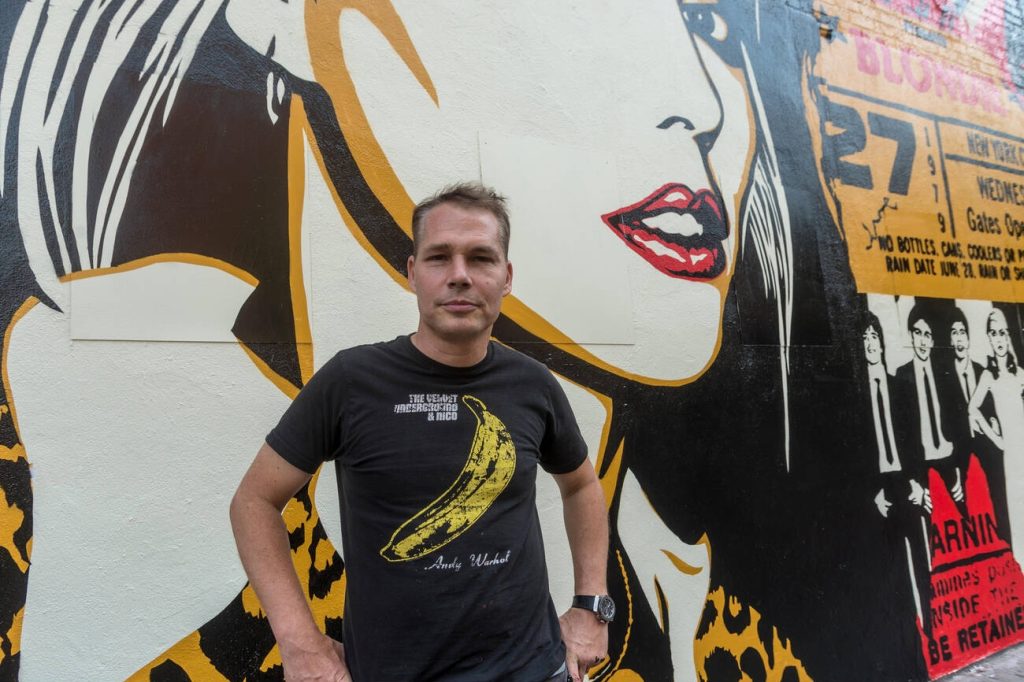
Shepard Fairey is a popular contemporary artist in America. His ability to elicit thought and inspire action through social media has given him a solid status as a leading artist in the digital world of art. He was behind the iconic “Hope” poster, which was displayed during the time Barack Obama was on a presidential campaign. In order to make it reach the huge followers of Obama, he knew that only social media has the power to make that happen in the shortest time possible.
By sharing the politically charged artwork on Twitter and Facebook, Fairey was able to engage people from different backgrounds on the question of social justice and equality. That worked very well, as the presidential election numbers proved that the social media approach was effective.
Yayoi Kusama
Another major and popular artist in social media is Yayoi Kusama. The Japanese artist is famous for her eye-catching infinity mirror rooms and contemporary art. Even at the age of 95, she has managed to entertain her audiences worldwide through social media. She would use the platforms to showcase charming images and videos of her immersive installations. As a lover of doing environmental art, she has been able to pull crowds from environmental forums across various platforms. Every other day, her fans are eager to see her new work.
Conclusion
In the old days, artists had difficulty in achieving their career objectives in the world of communication through art. However, that has been simplified by social media platforms, which represented a sudden shift in the world of artworks. I opened new opportunities and simplified the means to express opinions through art and have community engagement and discussion about social matters. However, while social media offers artists new ways to reach and expose content, it also has its challenges to maintaining your audience. Hence, the need to continually create new and engaging to maintain your online presence.
The Updates Coming to Minecraft Next Month
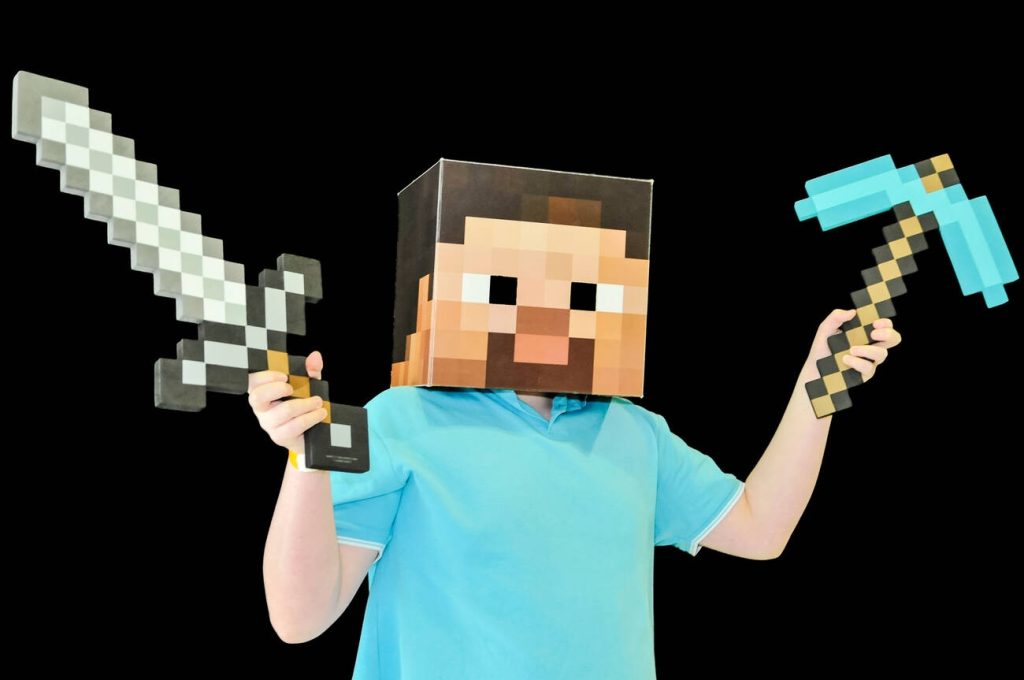
Many games are often released to critical acclaim only to vanish into obscurity after a few years. It happens time and time again. But there are a few games that have stood the test of time. Pac-man. Super Mario Bros. Halo. These titans of the industry are still talked about today. Still loved and enjoyed.
But all of these games are dwarfed by one title in particular. A game that came out of nowhere with a simple concept and went on to create a gaming empire unlike anything seen before. It is now the second most sold game in the world, below Tetris, and is even used in schools as an education tool. We are of course talking about Minecraft.
Minecraft was released in 2011. And today, ten years later, it still receives regular updates. It has an active community spanning the millions. It has its own tv shows, YouTube cult followings, spin-off games. Even lego sets are based around it. Few games can boast about their achievements like Minecraft.
We are going to be looking at the updates coming to Minecraft next month, and even beyond into 2022.
Java Update 1.18
This is actually the second part of a two-part update that began in the ‘Caves and Cliffs’ update, which saw massive changes made to the procedurally generated caves found throughout a Minecraft world.
The update is set to land on the 30th of November, 2021. It has a number of quality of life improvements alongside some major changes too. The most notable of which is the mountain biomes being added. Previously only snowy mountains were featured in Minecraft worlds. But this update is assing 8 new biome possibilities to mountains. Allowing for a greater variety in world generation and player possibilities.
How Caves are Affected
The changes being made to caves in this update are mostly technical. The most notable being that they can now stretch further down into the earth. This means players can expect their caving adventures to become even more perilous. But with even greater rewards.
There is also two new biomes of cave that can spawn in the underground, that were previously only seen above ground. Dripstone caves and lush caves are can now show up anywhere underground, giving players more variety in their exploration of the depths below.
They have also updated the integration mechanics for these new caves, meaning they will blend seamlessly into pre-existing worlds and the cave networks within them. This has been a common issue talked about on the forums. So it’s nice to see it being addressed.
A fair word of warning for anyone running servers for Minecraft, these new biome changes do present a risk to player-built structures. Caves that form on or around player buildings can destroy or absorb the structures completely. We recommend you make a backup of your server worlds to ensure your player’s hard work doesn’t go to waste.
Future Updates
2022 Is set to be a big year for Minecraft. And it kicks off with java update 1.19. Or, as it is titled, The Wild Update.
The main addition to the game in this update is a brand new biome called the Deep Dark Biome. This biome is adding a lot of mystery and horror to the game. Featuring new blocks and a terrifying new foe in the form of the Warden.
The biome itself is very dark, as the name implies, and mostly underground, to tie into the cave update. It also adds deep dark cities. Sprawling abandoned city structures that give players a lot to explore. And with exploration comes a lot of loot to be found as well.
The Warden itself is a fresh take on the traditional iron golem mob. The two share some visual similarities but the Warden is notably blind. Much like the bat mobs, the Warden relies on sound to locate a player. So if you come across one you will need to be as quiet as possible to avoid its wrath!
The update also brings a lot of enhancements to the current biomes. A lot of the changes are atmospheric; changes in lighting and sound design. But a few biomes are getting new mobs and trees added to them. For example, the swamp biome will now feature the new mangrove trees.
There is no confirmed date for this update. All we know is that it will be dropping in early 2022. So for now all we can do is enjoy the fantastic cave updates and wait patiently.
Bedrock Edition Update
We haven’t forgotten about those playing the bedrock edition either. The next update for the bedrock version is 1.18.10. There is no set release date yet but it is said to tackle a lot of frustrating bugs that have been annoying the community. They haven’t released any specifics yet but when they do we will be sure to bring you the full patch notes. So stay tuned!
Aside from that it also brings in a few additions that bring this version more in line with the Java edition of the game. Including textures changes and laying the groundwork for future bedrock updates to add new features still missing from this version.
Unpacking All The Best Moments From The Gaming Awards

As the video games awards came and went and many people in attendance have witnessed some of its most memorable moments, it is time to take a moment before the year’s end to remind everyone of some of the best and maybe underrated moments of this year’s game awards. Whether it be to congratulate Geoff Keighley for his hosting skills or to discuss some of the most unexpected guests let’s dive deeper into the event. So here are some of the best moments of the Video Games Awards 2023 and a little background on them. Be prepared to be surprised and if you haven’t watched it give a watch after reading this article.
Hideo Kojima
While it is not a surprise the creator of Metal Gear Solid was once again present to announce a new project. While little is known about what his project will be it was revealed that it will be a horror project starring in the All-Star cast featuring Sophia Lillis, Udo Kier, and last but not least Hunter Schafer of Euphoria fame. While many people criticize the fact that Kojima was allowed to speak longer than many other people there is no debating that in the gaming community, everybody is always happy to see what this legendary game developer is cooking up next. Before leaving he also introduced his partner in crime for this project none other than Jordan Peele. We can only wait and see what comes out of this massive project.
Timothee Chalamet
The Star of Dune and the upcoming Wonka film were picked as the guest of honor to present the most prestigious award of the night, the Game of the Year award. Many people wondered why he was introduced as a YouTuber, but this goes back to an interview we did years ago. It turns out that before being a star Chalamet made YouTube videos where you would present and try to sell modded Xbox controllers. This little funny tidbit gave him a bit of a reputation amongst the gamer sphere as a celebrity who was part of their community. So, it’s no surprise that many people were surprised and delighted that he was picked to present the award.
The Return of the God of War
Christopher Judge became famous after the Video Games Awards of 2022 after his very long speech where he thanked dozens of people. So, this year when the time came to announce the winner of the best voice performance of the year Judge was picked as the announcer. Famous for both his role in Stargate and as the voice of Kratos he is also known for having a great sense of humor. So, when it came time to start listing after nominees instead as a joke he was played off by music as if telling him to move on. Thankfully it was allowed to finish after that announcing that Neil Newborn, the voice of Astarion in Baldur’s Gate 3 was this year’s winner of the best performance award.
The old gods of Asgard
The keen gamers who have been paying attention to the world built by the incredible development team at Remedy Studio will recognize the name as the fictional band in the Remedy games universe including such games as Control and Alan Wake. While the band is fictional the music is very real and is interpreted by the actual real band the Poets of the Fall. The poets of the Fall have been working with Remedy Studio ever since their involvement in Max Payne 2 The Fall of Max Payne. But never before were the old gods of Asgard allowed to perform in front of a live audience before as a real band. This is why to celebrate the release of Alan Wake Two in 2023 at the VGA’s the old gods of Asgard made their first live appearance playing their smash hit from Alan Wake 2, Herald of Darkness. This live performance not only included the members of all the gods of Asgard but also featured a dance number including the actors of the video game.
A first look at the wasteland.
While the video games are words primarily serve as a way to congratulate people who did amazing work in the video game industry every year he does become somewhat of a presentation as well. Following the death of E3, we have seen more and more trailers being presented at the awards. This year was no different, but we were allowed to see one of the most anticipated shows trailer for a video game adaptation of the Fallout franchise. The trailer was presented on stage by the show’s stars Ella Purnell, Walton Goggins, and Aaron Clifton Moten. If you missed that you should check out the trailer online or the presentation itself to make sure to not miss anything of what the upcoming show has to offer.
Whether you play video games to enjoy a competitive first-person shooter match, fun times with friends on Minecraft survival servers, or to play exciting single-player narrative experiences the video game awards exist to celebrate both the hobby of gaming and gamers alike. If you want to be sure to not miss out on any of the memorable moments that are present at each year’s events you definitely should TuneIn or at the very least watch the recording of the events afterward. You will see that there is never a dull moment when it comes to celebrating video game’s best and brightest.